


Meal Kits vs. Grocery Planning for One: A 4-Week Comparison
Four weeks of meal kits versus planned grocery shopping for one, compared on cost, waste, time and enjoyment — plus the hybrid setup that worked best.
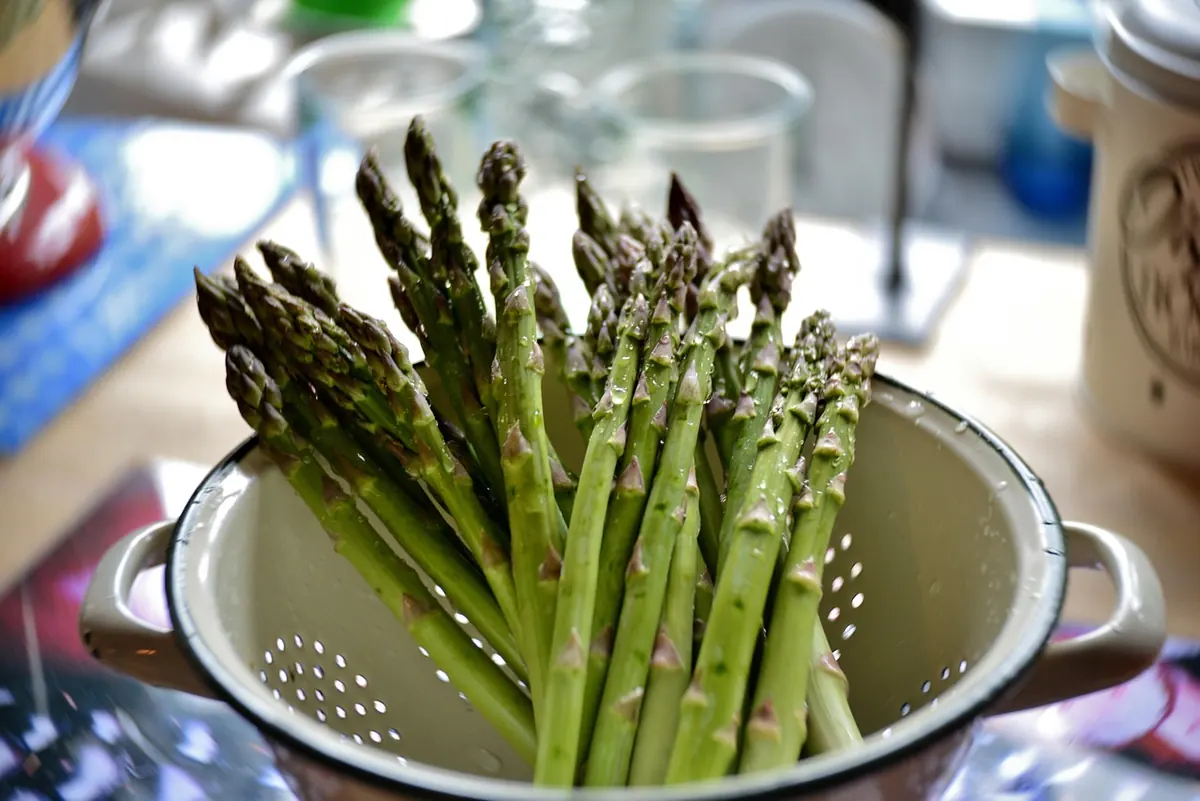
Four weeks. Two ways of feeding one person. For two weeks I cooked from a meal kit subscription, and for the other two I did the unglamorous work of planning groceries with a list. I kept notes on what I spent, what I threw away, how long I stood at the stove and the sink, and how often I actually looked forward to dinner. Some of it was predictable. A few things surprised me.
How I Ran the Comparison
I set the rules before the first box arrived, mostly so I couldn't quietly cheat when one method got annoying.
Both setups fed one person dinner five nights out of seven, with two nights left open for leftovers, takeaway or toast. The kit plan covered three dinners a week, and I filled the rest from the fridge. The food stayed similar across the whole month: chicken, pasta, tacos, grain bowls, a stir-fry. This was never a test of cuisines, only of systems.
I tracked four things: money spent, food thrown out, active minutes (planning, shopping, cooking, cleanup), and a one-to-five enjoyment score I logged right after eating. Crude measurements, but consistent ones.
Cost: Closer Than I Expected
The per-serving price on a meal kit looks reasonable until you notice it only covers part of your eating. For one person, a kit box is a partial solution. You still buy breakfast, lunch, snacks, coffee, and whatever you eat on the nights the box doesn't stretch. Kits can quietly become an add-on to your grocery bill rather than a replacement for it.
Groceries were cheaper overall across the four weeks, but not by the landslide I assumed. Two things ate into the savings.
The first is the single-person tax. Recipes are written for four. Fresh herbs come in bunches big enough for a family. A head of cabbage is four meals if you're lucky and a science project if you're not. You pay for portions you can't use.
The second is the pantry problem. The first grocery week was expensive because I was buying oil, vinegar, rice, spices and stock at once. By the second week, the per-meal cost dropped noticeably. Kits never drop — every box arrives with its own tiny bottle of the same soy sauce you already own.
Where kits won on money was narrower than I expected: no half-bunch of dill rotting in the crisper, no jar of tahini slowly turning into concrete. If you're making a real budget decision rather than a curiosity-driven one, track your own receipts for a month. Generic advice about meal kits is about as useful as generic advice about rent, and if the decision is bigger than dinner, a financial adviser is a better sounding board than a blog post.
Waste: Two Different Kinds of Guilt
The kit weeks produced almost no food waste. Every ingredient had a purpose and a destination, which felt good right up until I looked at the bin.
Because the packaging is the trade-off. Plastic film, small pouches, insulation, ice packs, a box within a box. My recycling bin got a workout, and I couldn't pretend that was free.
The grocery weeks flipped it. Almost no packaging, plenty of food waste: three sad celery ribs, half a bunch of cilantro, a lemon I bought for one recipe and forgot. What fixed most of it was boring and effective.
- Shop for two or three recipes at a time, not seven days of ambition.
- Buy spices, grains and nuts from bulk bins so you take what you'll use.
- Freeze half the protein the day you get home, before it becomes a decision.
- Keep one "use it up" night each week and treat it as a real meal, not a punishment.
Time: Where the Hours Actually Go
Kits save planning and shopping. They do not save cooking or cleanup, and anyone who tells you otherwise has never scrubbed a sheet pan at 8pm.
A typical kit dinner took me about 35 minutes, plus unpacking the box, breaking down cardboard and finding fridge space. That last part is real time. Grocery cooking took 25 to 35 minutes, but it came with a planning session, a shop, and the same cleanup.
The interesting part is how the grocery time amortizes. My first planning session took half an hour because I was building from nothing. By week two I had a rotation of six dinners I like, and planning took ten minutes. Kits never get faster, because you're following someone else's instructions every single time.
Kits are a convenience you rent. A rotation of recipes is a convenience you own.
Enjoyment: Novelty vs. Freedom
The kit weeks were genuinely fun at first. Good instructions, pre-portioned ingredients, a sense of occasion, and no decisions. By the second week the sameness crept in. Portions felt tight, the seasoning packets tasted like seasoning packets, and I couldn't cook what I actually wanted unless I'd chosen it days earlier.
Grocery weeks had the opposite arc. More freedom, better leftovers (which meant actual lunches), and the small satisfaction of cooking something because I felt like it. But there was decision fatigue — standing in front of an open fridge at six o'clock, hungry enough to make bad choices.
The Hybrid That Worked Best
After four weeks I stopped trying to pick a winner and started borrowing from both.
Two kit dinners a week, scheduled on my two hardest evenings — the late workdays when cooking from scratch was never going to happen. Groceries for everything else. That combination protected the nights I was most likely to order takeaway, which was where the real money was leaking.
It also kept me honest about portions. Kits taught me what a single serving of protein and vegetables looks like on a plate, which made grocery shopping for one much easier. Grocery shopping taught me that I don't need a subscription to eat well on a Tuesday.
Start Here If You Cook for One
Give each approach one week before you commit to either. One week of kits will show you which evenings you're truly too tired to cook. One week of groceries will show you how much you actually throw away.
Then write down your three hardest evenings of the week. Those are the nights a kit earns its keep. Everything else is usually cheaper, tastier and more flexible from a grocery list you built yourself.
Keep a pantry baseline, learn six dinners well enough to cook without a recipe, and buy two proteins, two vegetables and a grain each week. That's the whole system. No subscription required — though there's no shame in keeping one for the nights you'd otherwise order in.
Photo: YvonneHuijbens / Pixabay